 Day trip
Season: Year-round
Gori and Stalin Museum tour
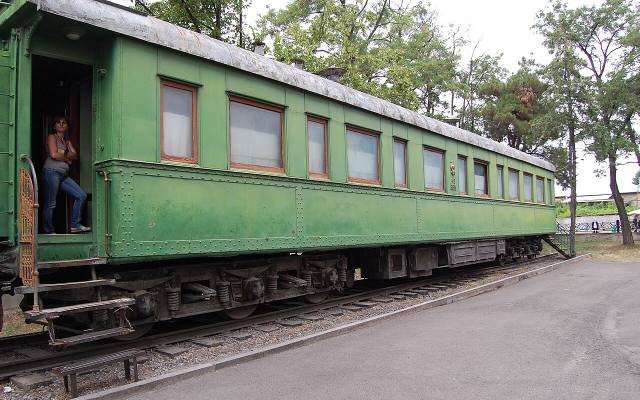
- The house where Stalin was born, the museum and his railway carriage
- Usually combined with Uplistsikhe and Gori Fortress
Museum
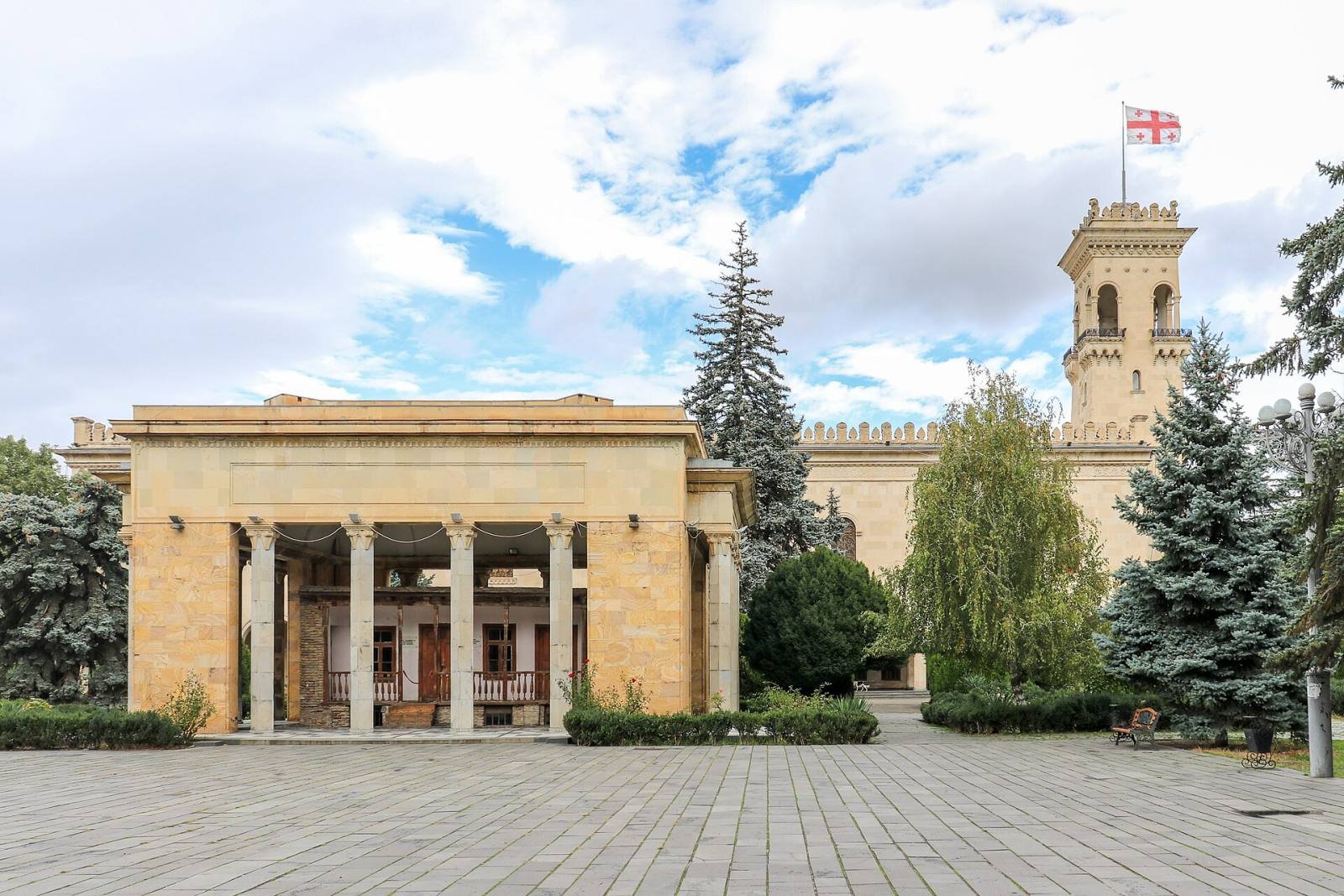
Joseph Stalin, born Ioseb Jughashvili, was born in Gori in 1878. The museum in his home town opened in 1957 and still looks much as it did in Soviet times. It has three parts: the small house where he was born, the main exhibition building and his personal railway carriage. It is one of the most visited, and most debated, museums in Georgia.
The museum tells you as much about the Soviet Union as about Stalin himself. Work on the main building began in 1951, and it opened in 1957, four years after his death. It was closed in 1989, as Georgia moved towards independence, and later reopened. Its displays still celebrate his life with little criticism, and only a small part covers the millions who suffered in the purges and the Gulag. Visit it as a piece of history in its own right, and read about the Stalin era before you go.
The museum is in the centre of Gori, at the end of Stalin Avenue, about 15 minutes’ walk from the bus station and 10 minutes from Gori Fortress. Taxis from the railway station take a few minutes.
Book ahead
Day trip
Season: Year-round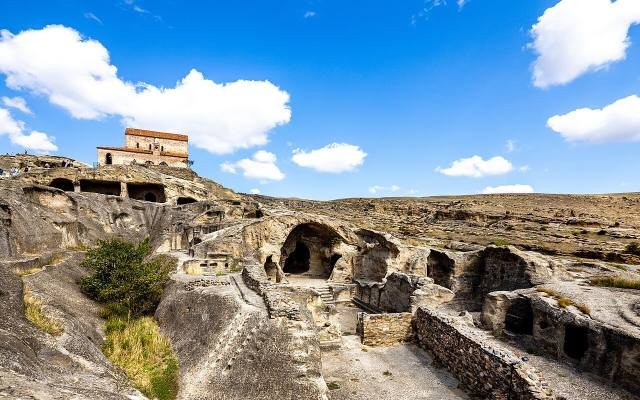 Day trip
Season: Year-round
 Sightseeing transfer
Season: Year-round
Nearby
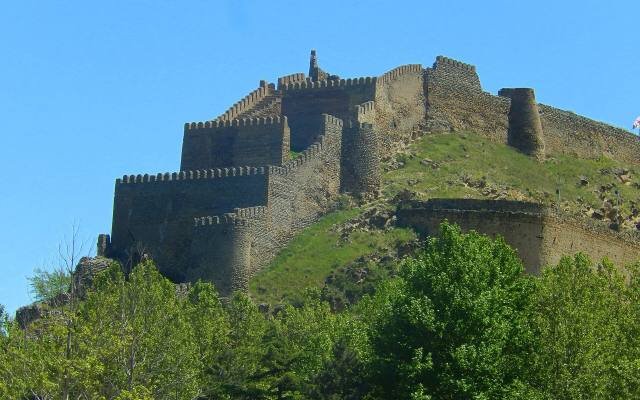 Fortress
The citadel above the city
A medieval citadel on the rocky hill in the middle of Gori, rebuilt in the 17th and 18th centuries, with free entry and views over the city and the rivers to the Caucasus.
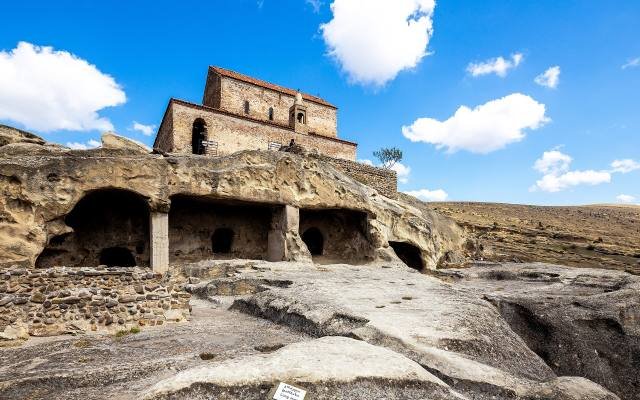 Cave town
The Lord’s Fortress, cut in rock
One of the oldest towns in Georgia, carved into a sandstone ridge above the Mtkvari river 10 km east of Gori, with cave halls, a theatre, wine cellars, a secret tunnel and a church on top.
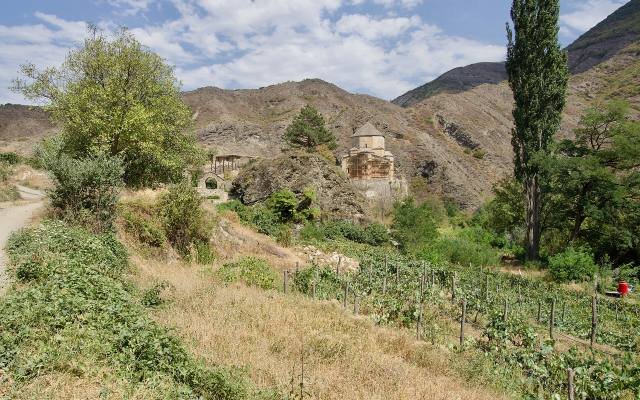 Church
Frescoes in a wine valley
An early 7th-century church in the village of Ateni, 10 km south of Gori, with some of the finest medieval wall paintings in Georgia and vineyards along the Tana river.